
Prada is luxury for a woman who does not need to prove that she is dressed up.
She chooses not the most obvious form of beauty, but something with character — and perhaps a slight sense of strangeness. While other houses may try to please at first glance, Prada prefers to intrigue.
Its clothes can seem severe, a handbag almost utilitarian, a color deliberately awkward, a shoe unexpectedly heavy. And yet the eye returns.
Prada does not ask for approval. It teaches the audience to adjust to its taste.
The story began in 1913, when Mario Prada opened a shop selling travel goods in Milan’s Galleria Vittorio Emanuele II. It offered luggage, trunks, and finely made accessories for an affluent clientele.
The house later became an official supplier to the Italian royal family, which brought elements of the House of Savoy’s heraldry into its visual identity.
The triangular Prada plaque may look thoroughly modern, but behind it lies an older kind of Milanese respectability: money, education, and the habit of buying the best without making a spectacle of it.
The Prada we know today was shaped by the founder’s granddaughter, Miuccia Prada.
In her, family craftsmanship was combined with a rigorous and questioning intelligence. Together with Patrizio Bertelli, she transformed a leather-goods business into one of fashion’s most influential houses — one willing to ask uncomfortable questions.
Why should luxury always be decorative?
Why should a practical material be less desirable than precious leather?
Why should a woman have to look pleasing?
One of the most famous answers was the black nylon backpack.
A material associated more with military and industrial equipment than traditional luxury appeared in boutiques alongside expensive leather. Customers were effectively being asked to pay not for the rarity of the material, but for the idea behind it — for a new way of seeing value.
Minimalist black nylon, finished with a small metal triangle, quickly became a sign understood by those who knew.
Today the material continues through the Re-Nylon line, but the principle remains the same: Prada has a remarkable ability to turn usefulness into a cultural statement.
Another foundation of the house is Saffiano leather, recognizable by its fine crosshatched texture and durable finish.
It holds its shape, resists the demands of city life, and expresses a distinctly practical form of luxury.
The Galleria bag, named after the place where Prada began, may be its most disciplined expression. With its structured body, short handles, and minimal decoration, it does not say, “Look how much this costs.”
It says, “Everything is under control.”
It works naturally in a professional wardrobe and suits a woman who prefers authority to theatricality.
But treating Prada as merely strict would be a mistake.
Miuccia Prada made contradiction one of the house’s signatures: lace with technical fabric, a bourgeois skirt with heavy shoes, mustard paired with pale pink, evening shine beside a school-like cardigan.
This tension gave rise to the idea of ugly chic — a kind of beauty that first breaks the rules and then becomes the rule itself.
Prada does not decorate a woman as though she were a display window. It offers her the role of an independent, ironic protagonist — someone capable of carrying a difficult silhouette without needing to soften it for anyone else.
Socially, Prada communicates differently from louder forms of luxury.
The triangle on a handbag may be recognizable, but the strongest Prada looks are often identified through cut, material, proportion, and the strange precision of the combinations.
Those familiar with the house may notice an impeccably architectural coat, a skirt in a deliberately “wrong” length, or restrained loafers and understand more than the logo itself could ever explain.
Prada is, in many ways, a brand for people with an education in taste.
It is especially convincing on women who enter a room not in search of compliments, but because something needs to be decided.
A first Prada purchase is often best chosen for real life.
The Galleria works beautifully in a professional wardrobe. A softer Re-Edition bag brings ease. Black Re-Nylon is practical for travel. Prada loafers add the right visual weight beside a feminine dress.
There is little need to collect triangular plaques on a handbag, belt, shoes, and clothing all at once.
One triangle looks assured. Four can turn intellectual luxury into advertising.
There is another level to Prada as well: the cultural one.
Fondazione Prada, established by Miuccia Prada and Patrizio Bertelli, engages with contemporary art, cinema, architecture, and ideas. Its Milan complex was designed by OMA, the architecture practice associated with Rem Koolhaas.
For Prada, this is not separate from fashion. It extends the house’s habit of thinking critically.
The Prada client is buying not only an object, but access to a world in which curiosity, complexity, and cultural intelligence carry their own form of status.
Perhaps the greatest mistake is trying to make Prada too correct.
Without some small disruption, much of its magic disappears.
A structured bag benefits from a softer coat. An elaborate skirt can be grounded with simple knitwear. A classic suit can be unsettled by unusual shoes.
If the Prada piece itself is complicated, the surroundings should usually remain calm.
The house thrives on the tension between discipline and strangeness.
Prada does not promise to turn a woman into a princess.
Its proposition is more interesting: to become the woman whose choices are questioned first and copied later.
Prada is the luxury of having a point of view.
Taste here is not the ability to buy the most expensive object, nor is it a collection of socially approved symbols.
It is the ability to recognize what may matter before everyone else does, wear it calmly in the present, and feel no need to explain why.
Best books and practical guides
-
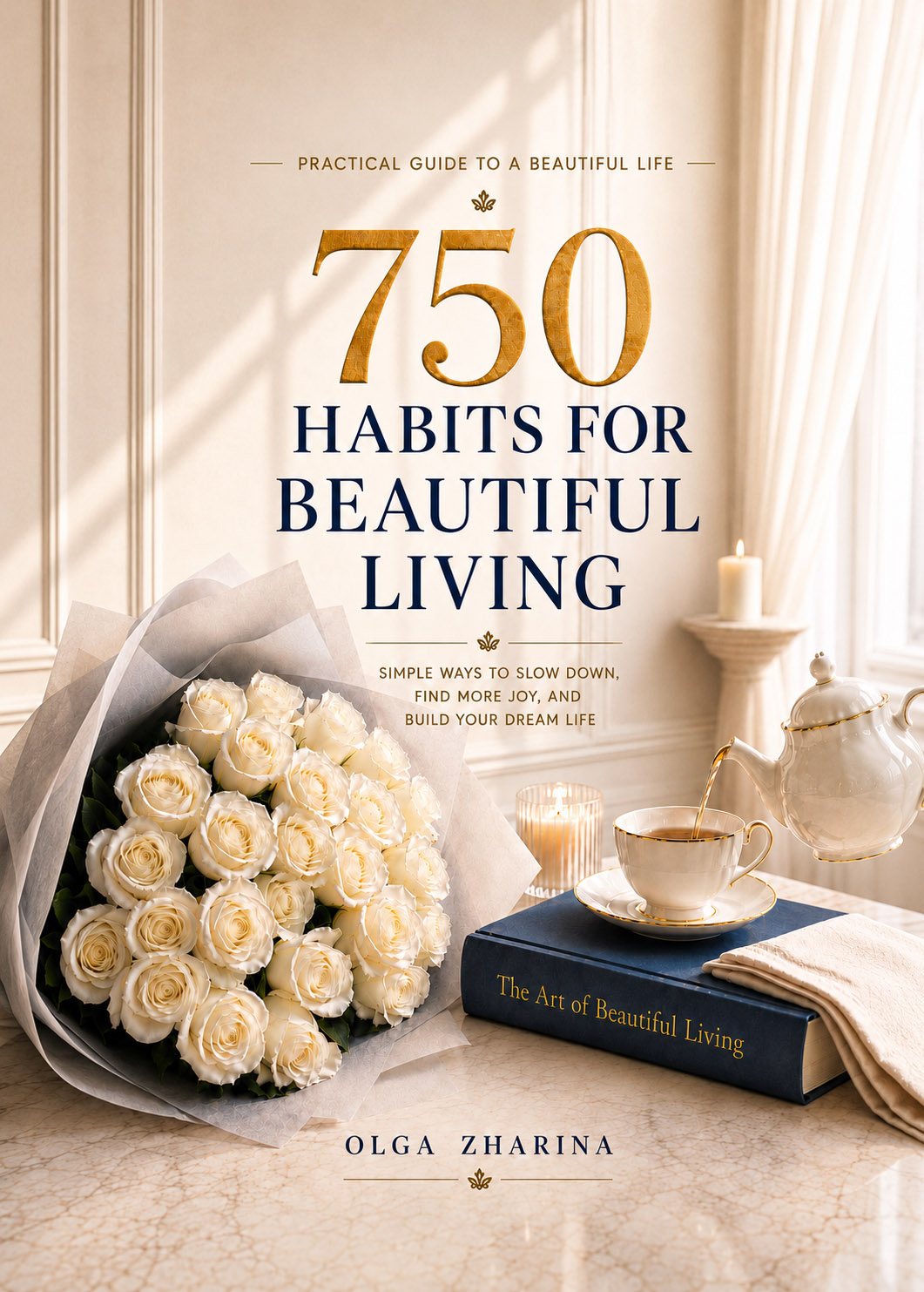
750 Habits for Beautiful Living: Simple Ways to Slow Down, Find More Joy, and Build Your Dream Life
19,99 $ -
How to Save Money Guide: Money Tips
Original price was: 16,99 $.9,99 $Current price is: 9,99 $. -
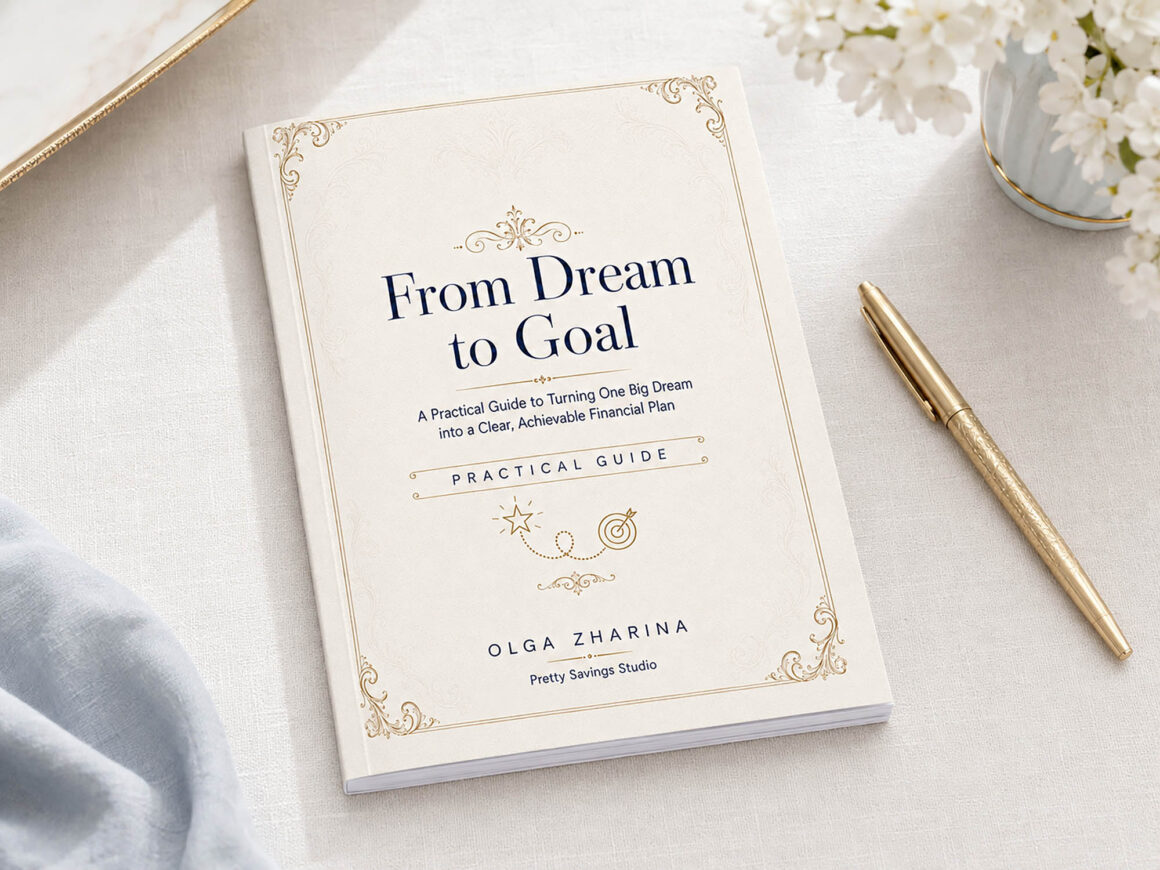
From Dream to Goal: Financial Goal Setting Guide
Original price was: 16,99 $.9,99 $Current price is: 9,99 $. -
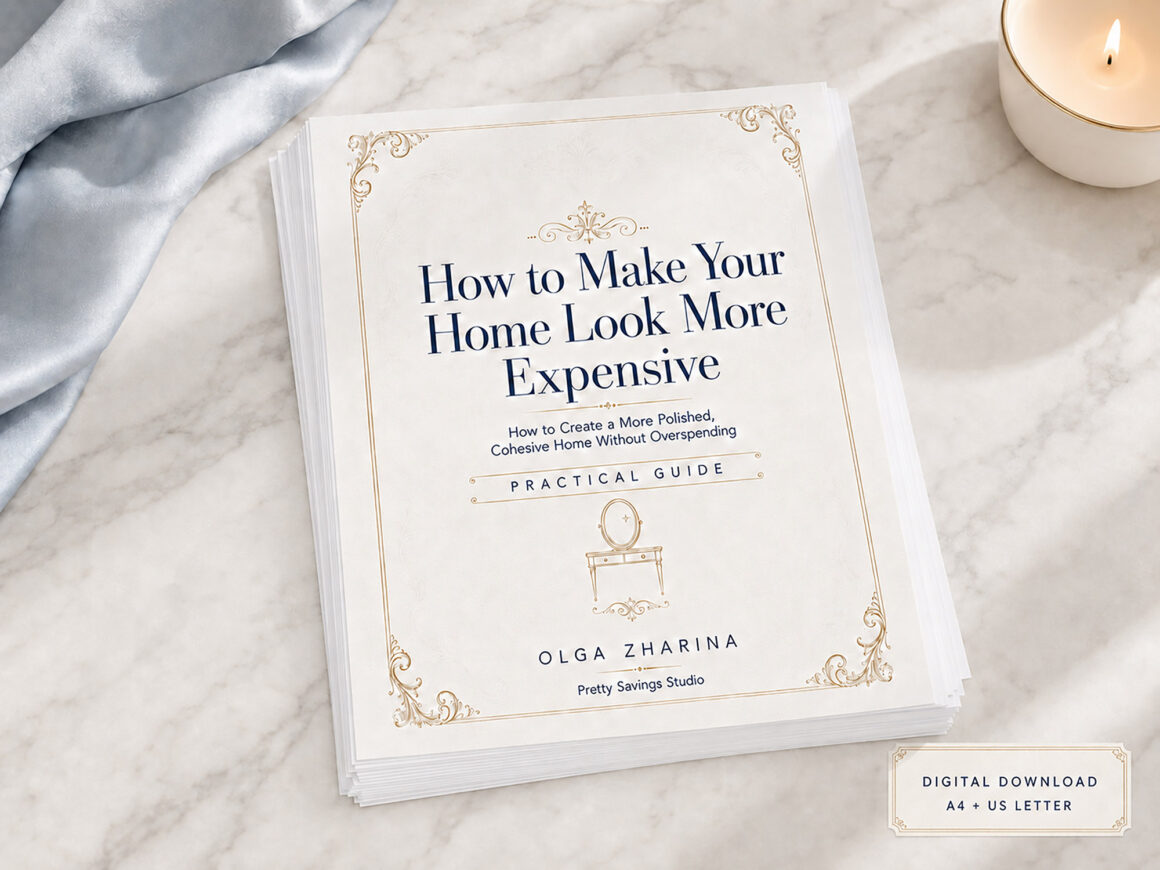
Luxury Home Decor Guide: Make Your Home Look Expensive on a Budget
Original price was: 16,99 $.9,99 $Current price is: 9,99 $. -
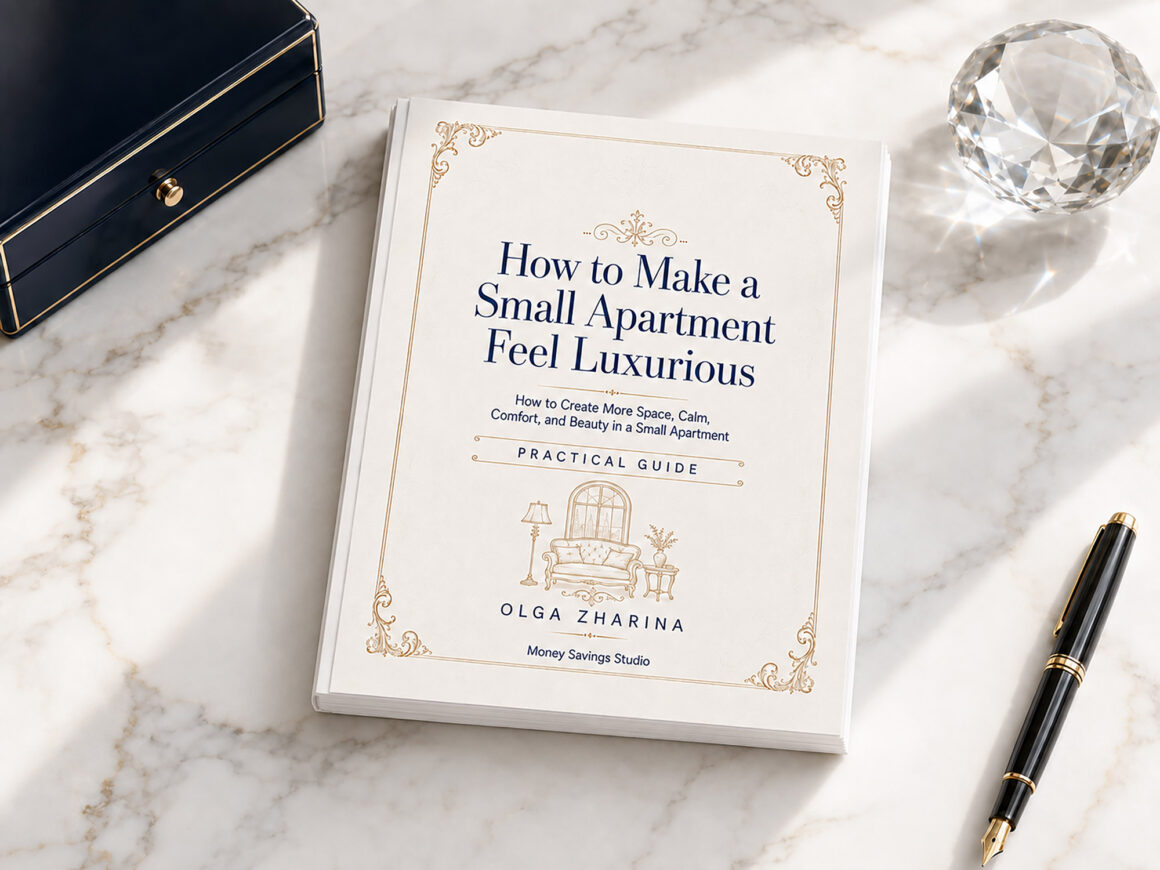
Small Apartment Interior Design Guide: Make a Small Space Feel Luxurious
Original price was: 16,99 $.9,99 $Current price is: 9,99 $.

Fashion (1) Fashion Brands (80) Fashion Designers (10) Бренды (56) Книги (1) Мода (32) Стиль (22) Стиль жизни (71)
