
Meissen carries the prestige of being a European pioneer in porcelain.
Connoisseurs often notice its blue crossed swords before they notice the flowers or gilding.
A Meissen object may be a dinner service, a vase, or a figurine, but its social code is historical literacy.
It is not enough to say:
“Old German porcelain.”
The informed questions concern period, form, decoration, and condition.
The story reads almost like an alchemical romance.
Augustus the Strong, Elector of Saxony, wanted to uncover the secret of Chinese “white gold” and commissioned Johann Friedrich Böttger to experiment with porcelain.
Böttger worked alongside scientist Ehrenfried Walther von Tschirnhaus and other specialists.
In 1708, the first European hard-paste porcelain was successfully fired.
Two years later, in 1710, the manufactory was established at Albrechtsburg Castle.
The formula was guarded as a state secret.
Once porcelain-making knowledge began spreading across Europe, Meissen needed a recognizable mark of origin.
In 1722, the manufactory adopted the crossed swords derived from the coat of arms of Saxony.
They are still painted by hand in cobalt beneath the glaze.
Their shape changed over time, which can help with dating.
But the blue mark is not a substitute for expertise.
Crossed swords have been copied, and an older blank may have been decorated later or subjected to poor restoration.
One of the great classics is the Blue Onion Pattern, inspired by East Asian porcelain and perfected by the manufactory by 1739.
The cobalt decoration is applied before glazing.
A brushstroke cannot simply be corrected, and the full blue tone appears only after firing.
Another legend is the Baroque Swan Service of 1738, with its elaborate world of swans, shells, and water.
Animal figures and elegant courtly groups later created an entire field of collecting in their own right.
The luxury of Meissen becomes especially clear in the handwork.
Figures may be assembled from numerous individual components.
Flowers, fingers, and tiny details are modeled with extraordinary precision.
Painting is executed with fine brushes, and gilding is polished by hand.
With figurines, rarity matters, but so does quality of execution.
Small variations are natural.
A chipped petal, missing finger, or crudely reglued element can reduce value substantially, even when the damage is barely noticeable inside a display cabinet.
A sensible first purchase might be a coffee cup and saucer, a classic plate, a white porcelain figure, or a vase.
A full Baroque service needs space.
In an apartment, it can easily begin to look like museum scenery.
One Meissen object placed beside contemporary art may look far more confident than a cabinet crowded with porcelain shepherdesses.
When buying vintage pieces, compare the crossed swords with the proposed period, check model numbers where relevant, investigate provenance, and inspect carefully for chips and restoration.
Important pieces can also be submitted to the manufactory for examination and certification.
Care depends on the decoration.
Underglaze designs are protected beneath the glaze and may be suitable for dishwasher use.
Overglaze painting and older gilding should generally be washed by hand.
Microwave suitability needs to be checked for the individual collection.
Figurines are best cleaned with a soft brush, without pressure on flowers, fingers, or other delicate projections.
Antique figures should not automatically be submerged in water, since old restoration joints may weaken.
The greatest mistake is buying Meissen simply because crossed swords appear on the base — or collecting figurines without any coherent idea behind them.
High-level collecting depends on selection:
one period,
one subject,
one color,
or a clear relationship between the objects.
Meissen does not have to look old-fashioned.
A blue-and-white plate on crisp linen,
a porcelain coffee cup,
or a single Baroque figure in a contemporary study
can express the house more convincingly than an overcrowded display cabinet.
Luxury lies in owning history with understanding, not in owning it by quantity.
Best books and practical guides
-
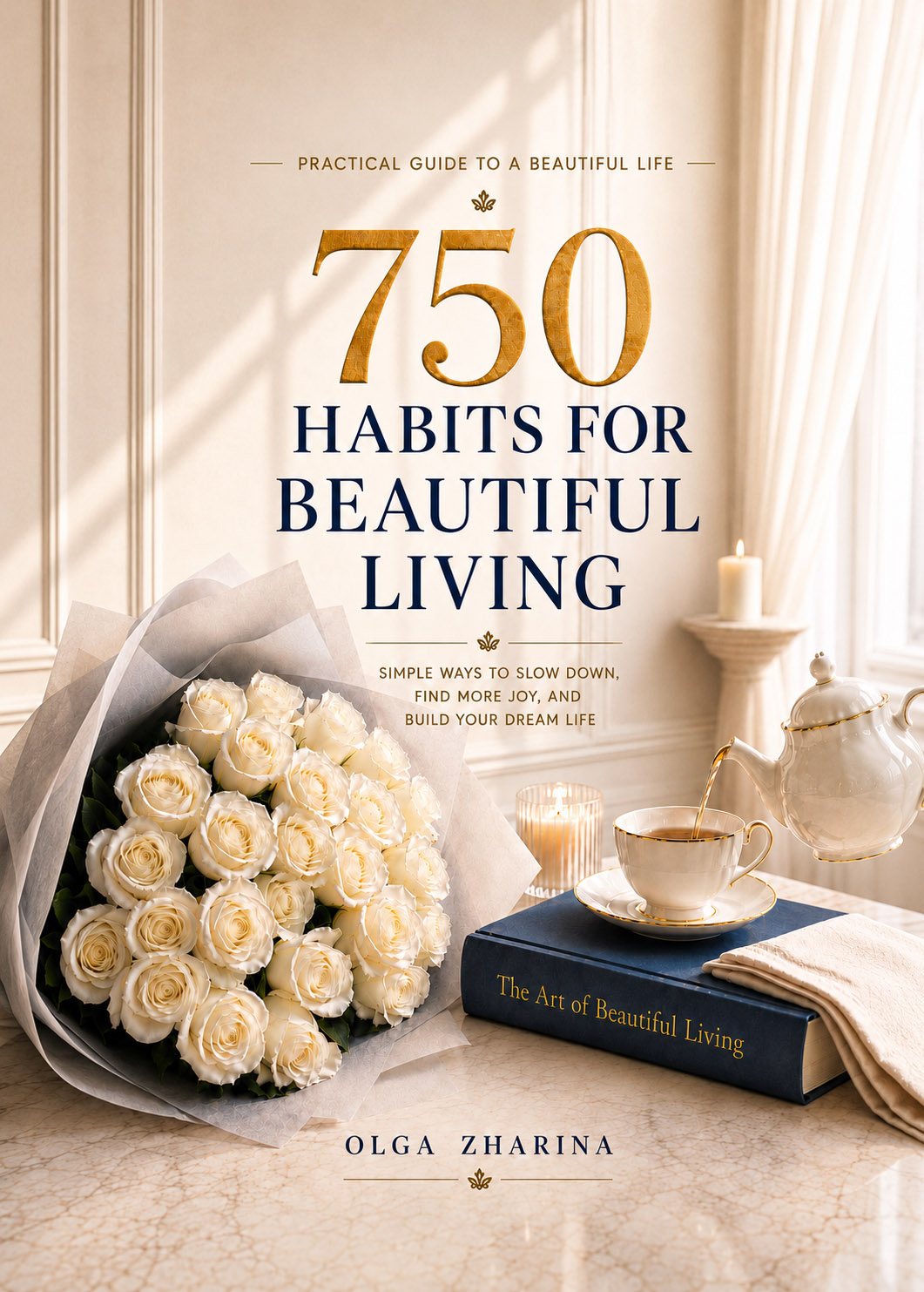
750 Habits for Beautiful Living: Simple Ways to Slow Down, Find More Joy, and Build Your Dream Life
19,99 $ -
How to Save Money Guide: Money Tips
Original price was: 16,99 $.9,99 $Current price is: 9,99 $. -
From Dream to Goal: Financial Goal Setting Guide
Original price was: 16,99 $.9,99 $Current price is: 9,99 $. -
Luxury Home Decor Guide: Make Your Home Look Expensive on a Budget
Original price was: 16,99 $.9,99 $Current price is: 9,99 $. -
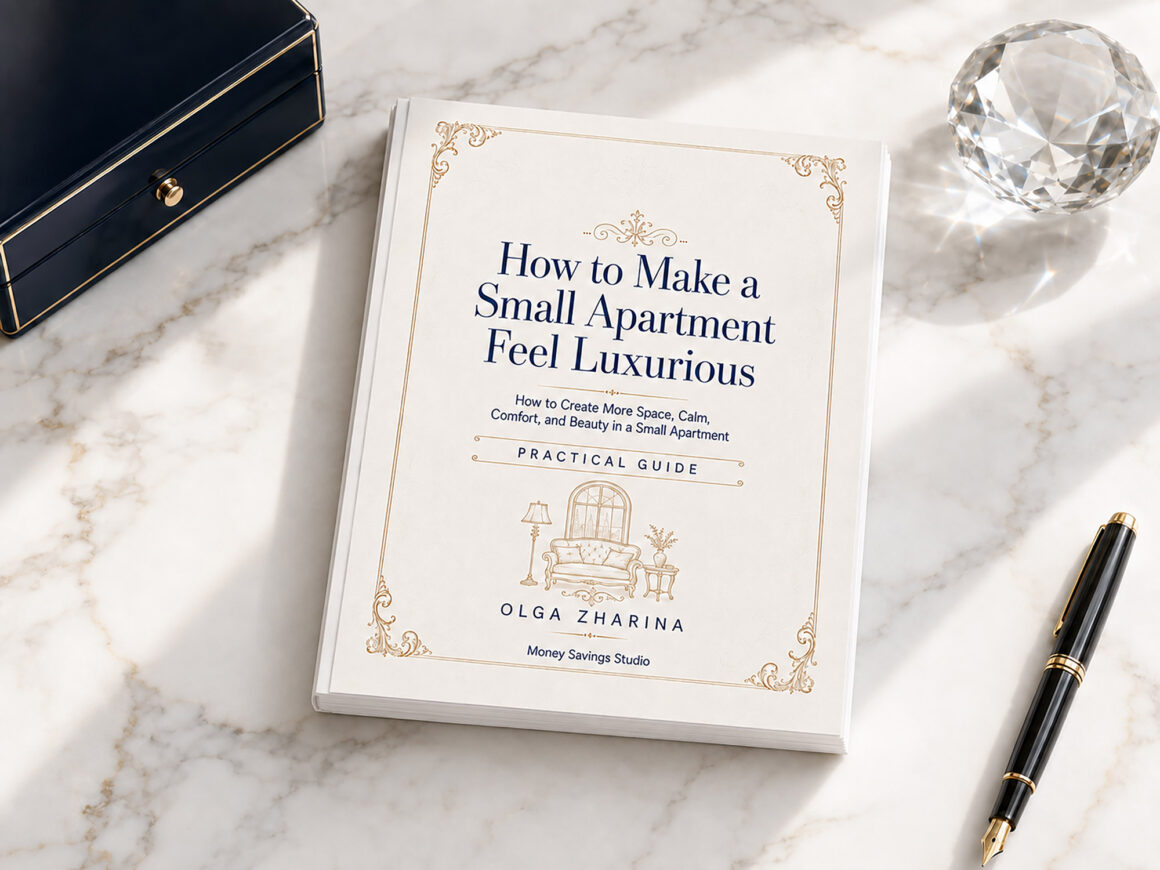
Small Apartment Interior Design Guide: Make a Small Space Feel Luxurious
Original price was: 16,99 $.9,99 $Current price is: 9,99 $.
Fashion (1) Fashion Brands (80) Fashion Designers (10) Бренды (56) Книги (1) Мода (32) Стиль (22) Стиль жизни (71)
