
Breguet is a house for people who see a watch not as a logo, but as a history of ideas.
Its watches are recognized by blued hands with their distinctive hollow “apple” tips, characteristic numerals, hand-executed guilloché, and finely fluted casebands.
The influence of Breguet has been so extensive that Breguet-style hands, numerals, and even the Breguet overcoil can be found far beyond the house itself.
Abraham-Louis Breguet established his workshop in Paris in 1775.
His clients included Marie Antoinette, Napoleon, and European royalty, but his reputation rested as much on invention as on patronage.
In 1780 came the perpétuelle self-winding watches.
In 1790, he introduced the pare-chute shock-protection device.
In 1801, he received a patent for the tourbillon.
Its rotating carriage was designed to reduce the effects of gravity on the regulating organ of a pocket watch.
Today, the tourbillon is less a practical solution to everyday accuracy than a demonstration of horological skill.
In 1815, Louis XVIII appointed Breguet watchmaker to the French Royal Navy — a position that required not only prestige, but technical and scientific precision.
Breguet also understood the power of design.
His signature hands and numerals appeared in the 1780s, followed by guilloché dials.
The engraved patterns were not merely decorative.
They separated indications visually and improved legibility.
Breguet also introduced a secret signature as an anti-counterfeiting measure.
It is almost invisible until the dial catches the light at the right angle.
But even such a signature is not proof of authenticity.
Imitations of Breguet watches existed during the founder’s own lifetime.
The collections reveal different sides of the house.
Classique is the purest expression of the Breguet vocabulary:
guilloché,
slender hands,
balanced proportions,
and formal restraint.
Tradition exposes more of the architecture of the movement.
Marine translates the house codes into a sportier language.
Type XX continues Breguet’s aviation chronograph tradition, with serial production dating from 1954.
The oval Reine de Naples refers back to a watch commissioned in 1810 by Caroline Murat, Queen of Naples — a creation widely regarded as one of the earliest, and often the first, wristwatches made specifically to be worn on the wrist.
A first Breguet does not need a tourbillon.
A simple Classique can express the house more clearly than a highly complicated model.
Long soldered lugs can make a watch wear larger than its stated diameter suggests.
Rose gold feels warmer and more ceremonial.
White metal is quieter.
A steel Type XX works naturally in situations where gold would feel too formal.
On the secondary market, documents are useful, but they do not replace examination.
Reference number, serial number, movement, case, dial, and service history should all correspond.
Heavy polishing can soften the fluting and alter the shape of the lugs.
A refinished or replaced dial may reduce collector value substantially.
Breguet’s archives preserve sales records reaching back to the eighteenth century, and the house’s museum can examine certain antique pieces and issue a paid certificate.
It does not, however, provide monetary valuations.
Breguet watches should be protected from impact, strong magnetic fields, and sudden temperature changes.
Water resistance should be tested after the case has been opened.
An antique Breguet should never be assumed to be water-resistant without professional inspection.
Servicing is best entrusted to an authorized specialist, with all documentation retained.
Poor repair can damage not only precision, but also the historical integrity of the watch.
The greatest mistake is buying Breguet as proof of wealth.
This is a quiet house that rewards an educated eye.
Its social code is not defined by diamonds or an exposed tourbillon.
It lies in recognizing hand-executed guilloché,
understanding the mechanism,
and choosing the right watch for the occasion.
Breguet is most convincing when the owner does not advertise its price, but simply wears a piece of horological history on the wrist as though that were the most natural thing in the world.
Best books and practical guides
-

750 Habits for Beautiful Living: Simple Ways to Slow Down, Find More Joy, and Build Your Dream Life
19,99 $ -
How to Save Money Guide: Money Tips
Original price was: 16,99 $.9,99 $Current price is: 9,99 $. -
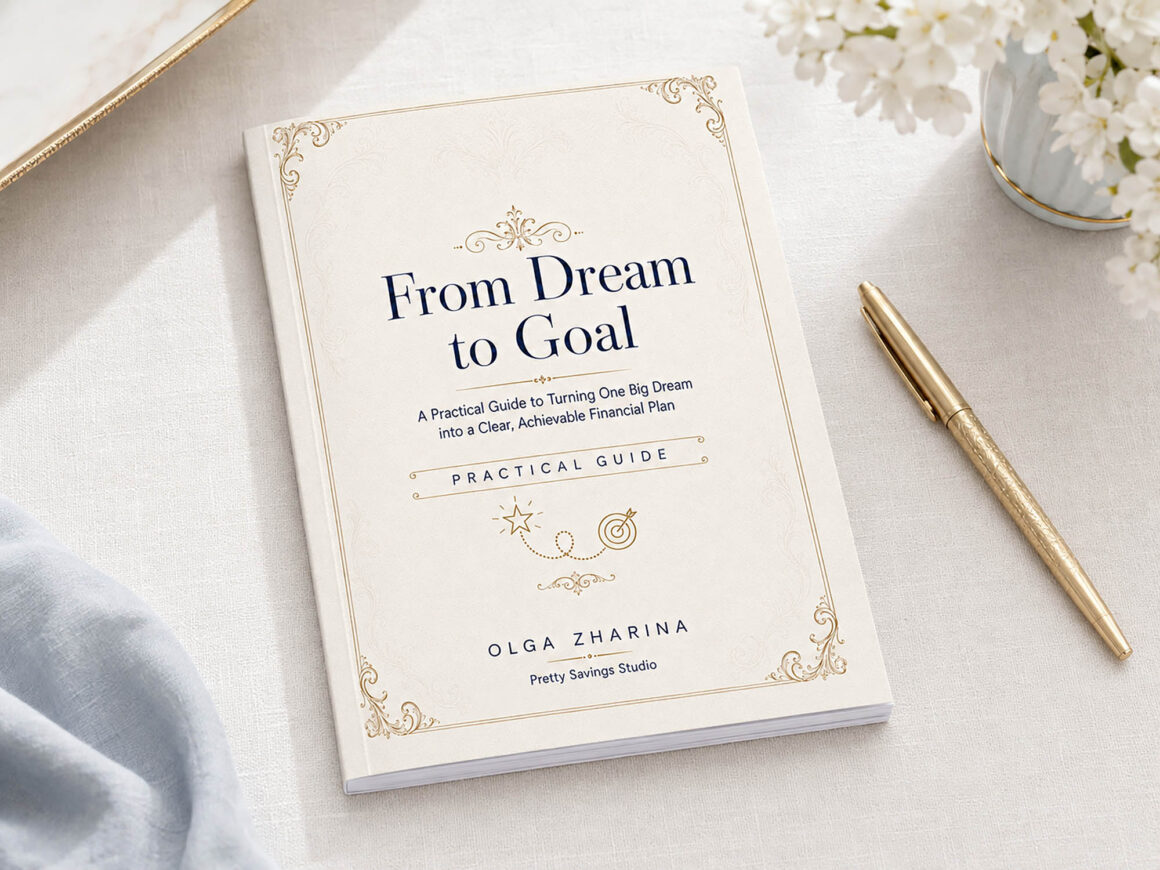
From Dream to Goal: Financial Goal Setting Guide
Original price was: 16,99 $.9,99 $Current price is: 9,99 $. -
Luxury Home Decor Guide: Make Your Home Look Expensive on a Budget
Original price was: 16,99 $.9,99 $Current price is: 9,99 $. -
Small Apartment Interior Design Guide: Make a Small Space Feel Luxurious
Original price was: 16,99 $.9,99 $Current price is: 9,99 $.



Fashion (1) Fashion Brands (80) Fashion Designers (10) Бренды (56) Книги (1) Мода (32) Стиль (22) Стиль жизни (71)
