John Lobb makes shoes for people who do not need a visible logo to establish their position.
Its prestige is read in the last, the leather, the stitching, and the way the shoes age.
To a passerby, they may simply look like an excellent pair of shoes.
To a man in a Savile Row suit, a regular at a private members’ club, or a serious collector, they belong to a world in which craftsmanship matters more than fashion.
The story began in 1849.
John Lobb learned the shoemaking trade and later traveled to Australia during the gold rush, where he made footwear for prospectors.
In 1866, he opened a workshop on Regent Street in London.
His clientele came to include aristocrats and members of the royal household.
A distinctly British idea of luxury emerged around the name:
the finest shoes do not decorate a man so much as confirm that he is accustomed to commissioning things meant to last.
There is an important distinction within the John Lobb name.
The family-owned John Lobb Ltd on St James’s Street remains independent and continues to specialize in bespoke shoemaking.
The Paris business was acquired by Hermès in 1976 and developed into an international brand, offering ready-to-wear shoes produced in Northampton as well as bespoke services.
Both belong to the world of serious shoemaking.
But a pair commissioned from John Lobb’s London bespoke workshop and a pair purchased from John Lobb Paris are not the same thing.
Knowing the difference is itself a small sign of initiation.
Bespoke begins not with a shoe size, but with the foot.
The shoemaker studies its proportions, shape, and the client’s way of walking.
A personal wooden last is created, and the shoe is built around it, with adjustments made through fittings.
The true value lies in the fit.
A well-made bespoke shoe supports the foot, preserves its line, and becomes increasingly personal with wear.
Ready-to-wear John Lobb follows the same broad English tradition, while Goodyear-welted construction allows soles to be replaced and the life of the shoe to be extended.
The house’s signature models form part of the vocabulary of the classic male wardrobe.
Black Oxfords belong with business dress and formal eveningwear.
The William double monk is more expressive.
The Lopez loafer, introduced in 1950, is an icon of informal elegance: dark leather works easily with soft tailoring, while suede pairs naturally with cashmere and summer trousers.
In sophisticated circles, what matters is not how quickly the shoe can be identified, but the beauty of the last and the quality of the patina.
The most common mistake is buying John Lobb for the name while ignoring the fit.
Even an expensive shoe looks wrong if the heel slips, the leather collapses into awkward creases, or the toe is too long for the foot.
A black Oxford remains the most formal choice.
Dark brown is more versatile.
Burgundy introduces greater individuality.
Double monks already provide enough visual interest through their buckles and rarely need an equally attention-seeking suit.
Shoes are also a risky gift without a fitting.
The same marked size does not mean the same foot.
John Lobb also requires discipline after the purchase.
Fine shoes should not be worn every day.
The leather needs time to rest and recover.
Cedar shoe trees should be inserted after wear, dust brushed away, and cream applied sparingly.
A higher shine belongs mainly on the toe rather than across the entire shoe.
On the secondary market, the soles, welt, lining, and internal markings all deserve inspection.
A stretched or badly repaired pair is not rescued by the name inside it.
One beautifully maintained pair communicates more status than several expensive shoes with deep creases and worn-down heels.
John Lobb does not try to appeal to everyone.
These are not shoes designed for a single dramatic entrance.
They belong to offices, residences, clubs, and negotiations where the same people will meet again.
A well-kept pair reveals not the size of the expenditure, but a habit of choosing carefully, maintaining possessions properly, and remaining independent of fashion.
That is what mature luxury looks like:
not a visible logo, but the absence of accidental details.
Best books and practical guides
-
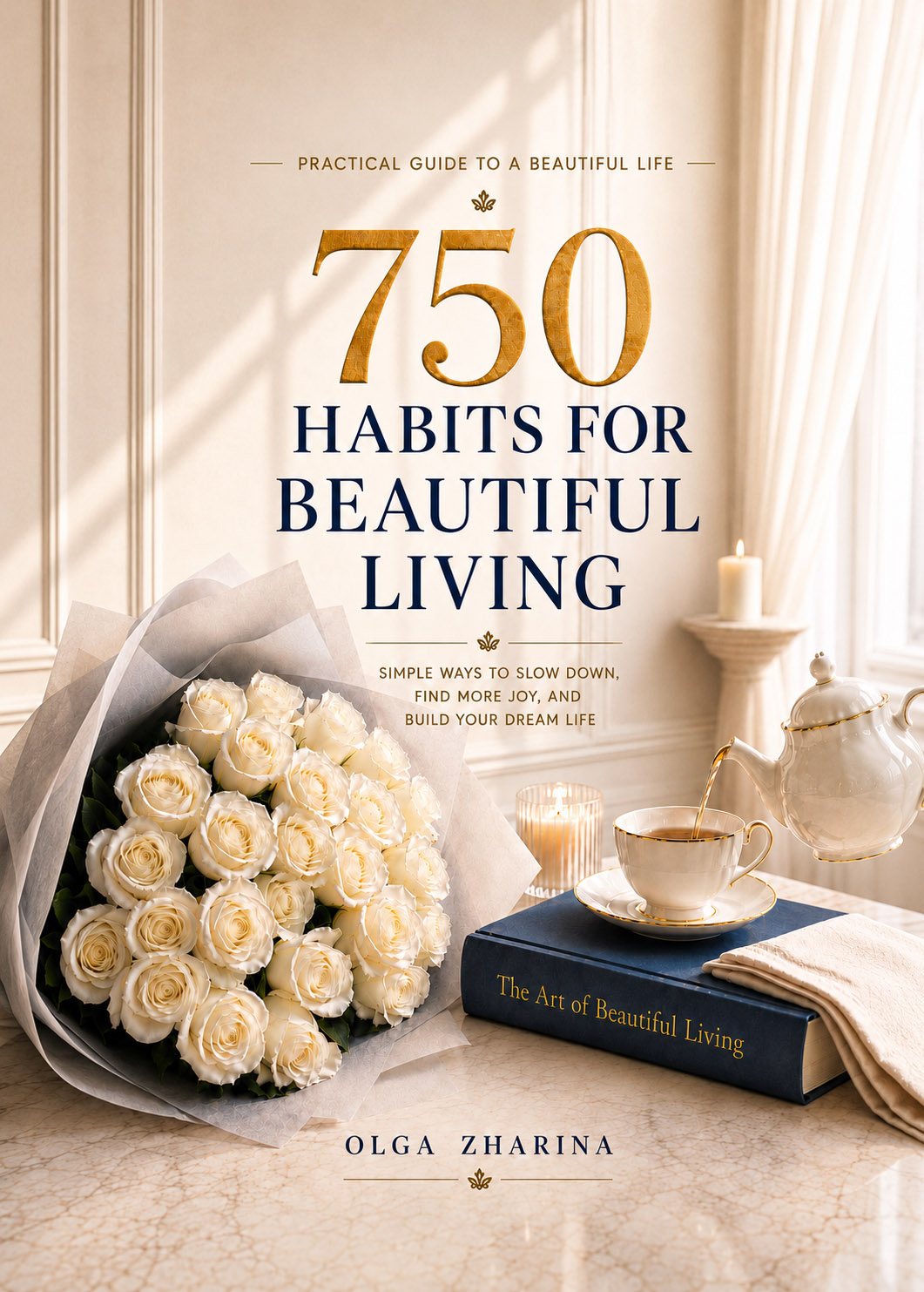
750 Habits for Beautiful Living: Simple Ways to Slow Down, Find More Joy, and Build Your Dream Life
$19.99 -
How to Save Money Guide: Money Tips
Original price was: $16.99.$9.99Current price is: $9.99. -
From Dream to Goal: Financial Goal Setting Guide
Original price was: $16.99.$9.99Current price is: $9.99. -
Luxury Home Decor Guide: Make Your Home Look Expensive on a Budget
Original price was: $16.99.$9.99Current price is: $9.99. -
Small Apartment Interior Design Guide: Make a Small Space Feel Luxurious
Original price was: $16.99.$9.99Current price is: $9.99.